
Cataract & Trifokal Lenses

Cataract & Trifokal Lenses
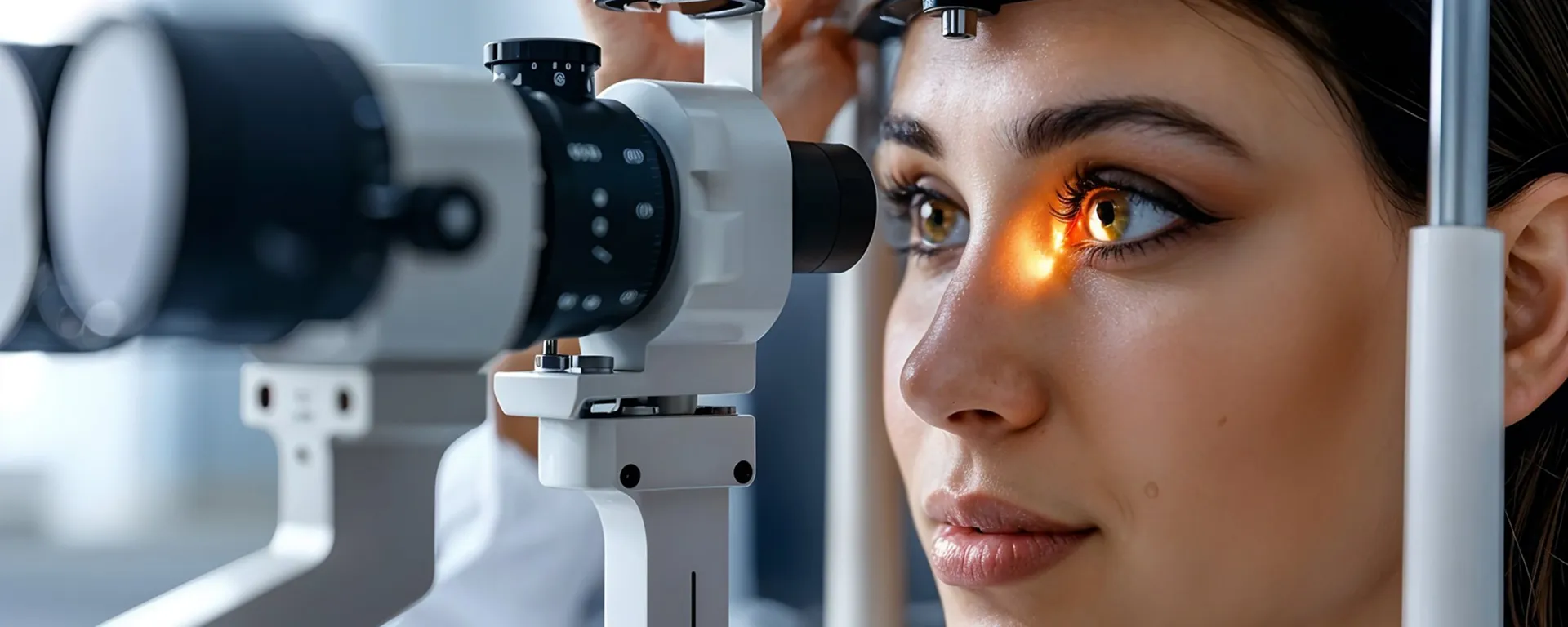
Cataracts occur when the natural lens becomes cloudy, blurring vision. Our surgical approach involves removing the cloudy lens and replacing it with a healthy artificial intraocular lens. The surgery is quick, painless, and performed on an outpatient basis.
Our Treatment Benefits
Visual Clarity
Restoring the transparency of the eye's visual path.
Enhanced Safety
Using minimally invasive micro-incisions.
Our Process
Biometry
Calculating precise lens power for optimal vision.
Lens Removal
Gentle removal of the cloudy natural lens.
New Lens
Clinical placement of high-quality artificial lens.
Appropriate for individuals whose vision is visibly clouded by cataracts to a degree that impairs daily activities, such as reading or driving. Evaluation will verify overall eye health prior to lens extraction.
Most normal daily activities can be resumed within a few days. Vision clears progressively as the eye heals. A follow-up examination is performed to monitor intraocular pressure and healing.
Cataract extraction is globally recognized as highly established; however, potential risks exist, including infection, swelling, elevated eye pressure, and in rare cases, retinal detachment.
Do not rub or apply pressure to the treated eye. A protective shield is typically provided for sleep. Attend all scheduled postoperative checks to ensure proper healing and lens alignment.
Frequently Asked Questions
A cataract is the loss of transparency of the eye's natural lens over time and the blurring of the image. The most common complaints are foggy vision, glare from headlights while driving at night, sensitivity to light, fading colors, and frequent changes in glasses prescriptions. Some patients describe a 'curtain-like vision', while others say they start to see near better for a while. This situation may be related to the myopic shift seen in some cataract types.
However, the main decision is made according to how much the complaint affects the patient's daily life. As an ophthalmologist, my approach is not limited to just looking at how opaque the lens has become; I put the patient's quality of life at the center. If reading, using a phone, driving, working at a computer, or night vision has become difficult, it may be time for surgery. Cataract is not a disease that can be dissolved with drops or that passes with waiting; the permanent treatment is surgery. In surgery, the natural lens that has lost its transparency is removed, and an artificial intraocular lens suitable for the patient's eye structure, prescription, and expectations is placed in its stead.
When planning cataract surgery, eye prescription, corneal structure, retinal status, presence of glaucoma, and the patient's lens expectations are evaluated together. Some patients only want to see far clearly, while others aim for both far and near without glasses. Therefore, the correct answer to the question 'when is cataract surgery performed?' is personal. After determining the visual level, biometry measurement, and detailed retina check during the exam, the safest timing is identified. We don't just look at biometric measurements when making decisions in the clinic; we also consider the patient's social life. For patients who drive at night, work heavily on screens, or want to be more independent from their single eye, lens selection and surgery time can be planned differently. But the basic principle is constant: If the cataract has started to slow the patient down in daily life and the posterior segment of the eye is suitable for surgery, it is more rational to proceed to surgery in a controlled manner rather than wait unnecessarily. Waiting longer than necessary may cause the cataract to harden, make the surgery technically difficult, increase the risk of complications, and prolong the recovery time.
After cataract surgery, many patients notice their vision clearing from the first few days; but true recovery becomes clear over a period of a few weeks. The type of lens used, the corneal surface, pre-existing dry eye, retinal health, and the patient's discipline in using prescribed drops affect the quality of healing. For this reason, comparisons like 'my neighbor saw very well in one day, why am I different?' are not considered a correct approach.
The regular use of drops given by the doctor in the first period after surgery is very important. It is necessary not to rub the eye, to avoid contact with dirty water, to stay away from dusty environments, and heavy exertion in the first few days. Mild stinging, watering, or fluctuating vision may occur; but severe pain, pronounced redness, or sudden loss of vision are not considered normal and require urgent checking.
In patients fitted with premium lenses, brain-eye adaptation can take some time. With multifocal lenses, night glares can be felt more prominently in the early period and then decrease. If the patient has a retinal disease, glaucoma, or diabetes, the ultimate visual expectation should be evaluated accordingly. A successful cataract surgery isn't just limited to good surgery; it is a combination of proper lens selection, regular follow-ups, and realistic patient information. It is important to be patient during the postoperative period. Visual balance settles in a few weeks, especially for patients with a dry eye background, an accompanying retinal problem, or those fitted with a premium lens. If the patient uses drops correctly, attends check-ups on time, and reports any unusual signs early, the risk of complications decreases. Successful recovery depends as much on the quality of post-operative care as on the surgery.


Experience Premium
Eye Care Today
Take the first step towards clearer vision. Select a convenient date and time for your consultation with our specialist team.
Book Your Consultation
Choose a convenient time for your assessment with Dr. Söyük.