

Eyelid Surgery (Blepharoplasty)
Eyelid Surgery (Blepharoplasty)
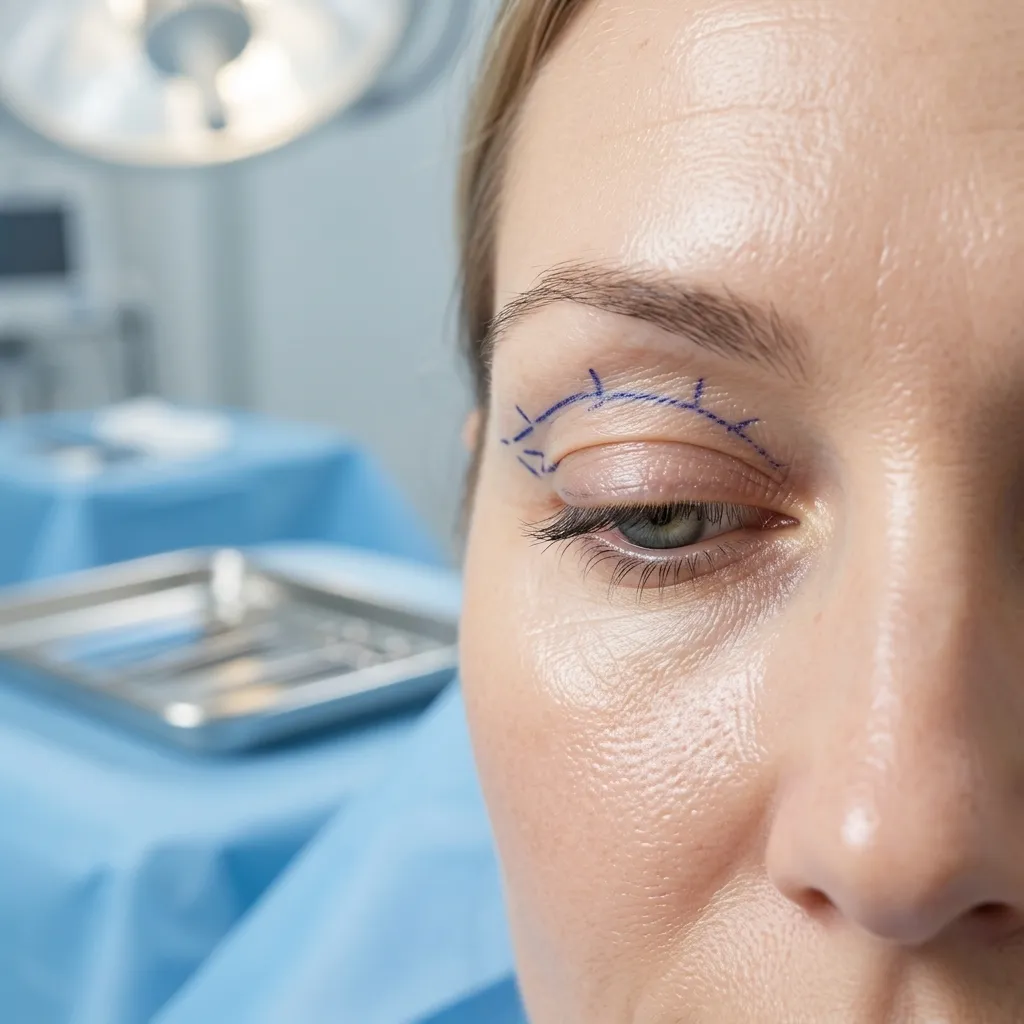
Eyelid surgery, or blepharoplasty, corrects excess skin, fat bags, and sagging. This not only improves aesthetic appearance but can also expand the field of vision in patients with drooping lids (ptosis). Performed under local anesthesia with rapid recovery.
Our Treatment Benefits
Visual Field
Removing obstructions to peripheral vision.
Refreshed Look
Reducing tired appearance around the eyes.
Our Process
Consultation
Determining aesthetic goals and medical requirements.
Local Procedure
Surgical correction in an outpatient setting.
Follow-up
Monitoring healing and suture removal.
Individuals experiencing drooping eyelids that noticeably impair peripheral vision or cause significant daily functional concern. A detailed pre-operative evaluation is conducted to definitively rule out underlying neurological or muscular causes that may contraindicate surgery.
Localized swelling and mild bruising are very common for the first one to two weeks following surgery. Pain is usually minimal and manageable with standard analgesics. The sutures are typically removed within five to seven days.
Possible surgical risks encompass a temporary difficulty closing the eyes perfectly, minor visual asymmetry, or dry eye sensations. The incidence of severe infection or the need for a secondary adjustment is exceptionally rare.
Apply cold compresses systematically as directed to reduce post-operative swelling and discomfort. Strict avoidance of eye makeup, contact lenses, and strenuous physical activity is mandatory during the initial healing window.
Frequently Asked Questions
While blepharoplasty is mostly acknowledged by many merely for aesthetic goals, it ends up being a functional necessity for a number of patients. Skin sagging in the upper eyelid can constrict the field of view, yield a feeling of heaviness over the eye, and spawn conspicuous exhaustion by day's end. In the lower lid, bagging and looseness breed aesthetic reservations predominantly, yet in select instances, it can steer the comfort of the eye's outer surface too.
Just analyzing a photograph is not sufficient for sound planning. Brow alignment, eyelid muscle power, the existence of dry eyes, lid closure capability, and the facial structure of the patient have to be jointly deliberated. Otherwise, excising extensive tissue might amplify a dry eye gripe or construct an artificial stare.
In intelligently schemed eyelid cosmetic practices, the core objective isn't morphing the patient beyond recognition; it's scoring a more alert, more open, and natural circumference for the eyes. Provided there's functional compulsion, gaining back the visible span can be accomplished. Ergo, concluding the blepharoplasty verdict just through an aesthetic fashion sense won't cut it; ocular health and facial symmetry must be processed conjointly. Prior assessments stand as even more crucial explicitly if there's coupled dry eye, thyroid eye disarray, or lid drooping. Landing a natural outcome in blepharoplasty dictates millimeter-perfect arrangements. Excessively hostile surgery gives way to lid shutting dilemmas and spikes in dryness; on the other hand, lacking surgery trims downs functional merit. That's why pre-surgical dry eye assessments and lid calibrations carry intense weight. With flawless patient allocation, eyelid operations do not solely dole out aesthetic rejuvenation; they mutate into a functional intercession ramping up the visual panorama and everyday physical comfort.

Experience Premium
Eye Care Today
Take the first step towards clearer vision. Select a convenient date and time for your consultation with our specialist team.
Book Your Consultation
Choose a convenient time for your assessment with Dr. Söyük.