
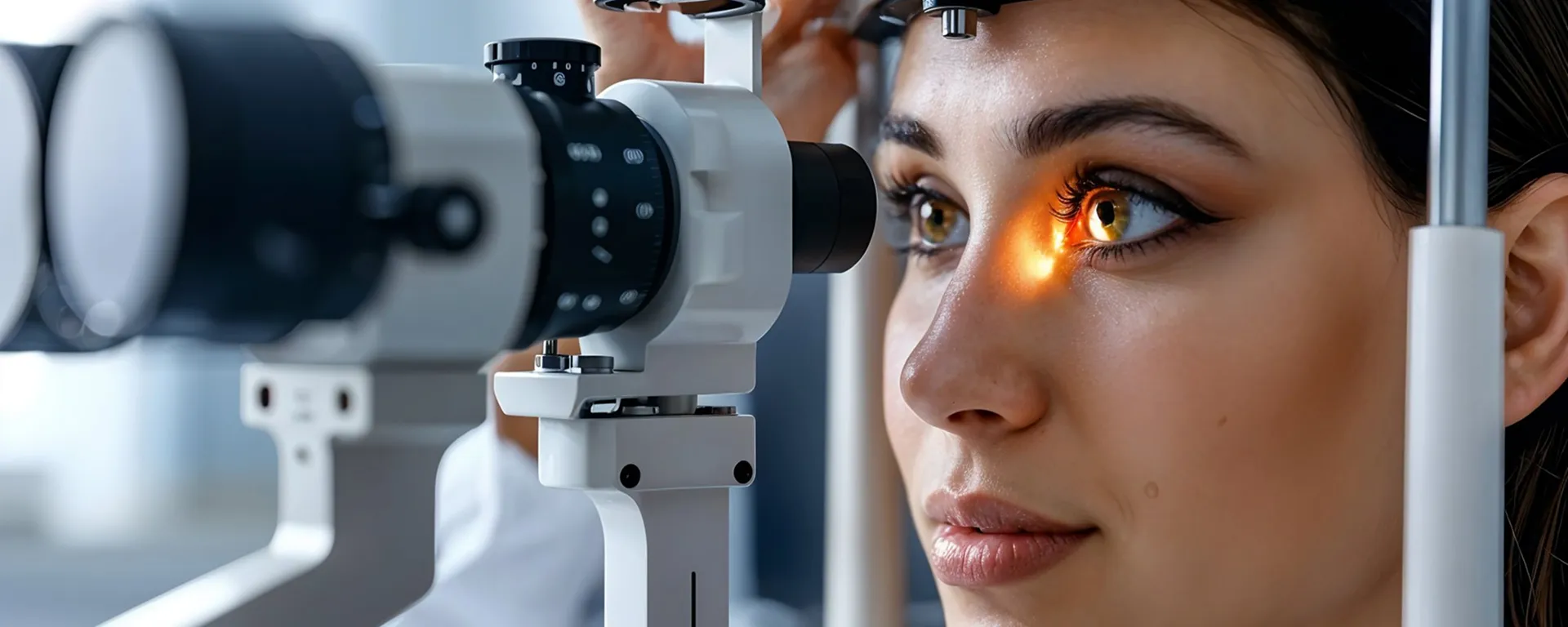

In 2026, chronic dry eye is one of the most common complaints in eye clinics. With screen times averaging over 8 hours daily, our tear films are constantly under stress. Many patients complain of burning, a "sand-like" feeling, redness, and surprisingly, excessive watering.
To treat dry eye permanently, we must look beyond simple artificial tears and treat the root cause: the Meibomian Glands.
The Tear Film: More Than Just Water
Your tear film consists of three distinct layers:
- Mucin Layer: Anchors the tears to the corneal surface.
- Aqueous (Water) Layer: Hydrates and nourishes the cornea.
- Lipid (Oil) Layer: Prevents the water layer from evaporating.
In over 80% of dry eye cases, the problem is evaporative dry eye, caused by a deficiency in the outer lipid layer. This oil is produced by the tiny Meibomian Glands located along your upper and lower eyelid margins.
Meibomian Gland Dysfunction (MGD)
When these glands become blocked, inflamed, or shrink (atrophy), they cannot secrete enough oil. Without this protective lipid layer, your tears evaporate up to 10 times faster, leaving the cornea exposed and irritated.
Common MGD triggers include:
- Prolonged screen use (we blink 60% less when looking at monitors).
- Chronic blepharitis (eyelid margin inflammation).
- Long-term contact lens wear.
- Windy, dusty, or dry climates (like Istanbul in summer).
Modern Dry Eye Treatments
Simply using eye drops acts like a bandage—it provides temporary relief but does not unblock the glands. Modern clinical protocols focus on restoring gland function:
- Lid Margin Micro-Blepharoexfoliation: Cleaning the eyelid margins to remove bacterial biofilms and crusts.
- Thermal Warm Compresses & Expression: Applying controlled heat to melt the hardened oils inside the glands, followed by manual expression.
- Intense Pulsed Light (IPL) Therapy: A breakthrough treatment using light pulses to reduce inflammation around the eyes, stimulate gland activity, and kill bacteria.
Commonly Asked Questions (Blog FAQ)
Why do my eyes water if they are dry?
Watery eyes are a reflex response. When the cornea becomes too dry and irritated due to a lack of protective oil, the brain triggers a sudden overflow of watery tears. However, these tears lack oil and dry up quickly, failing to solve the dryness.
Can dry eye affect my suitability for laser eye surgery?
Yes. Active dry eye must be treated and stabilized before any laser procedure (like LASIK or SMILE Pro) because surgery temporarily reduces tear production during the healing phase.