
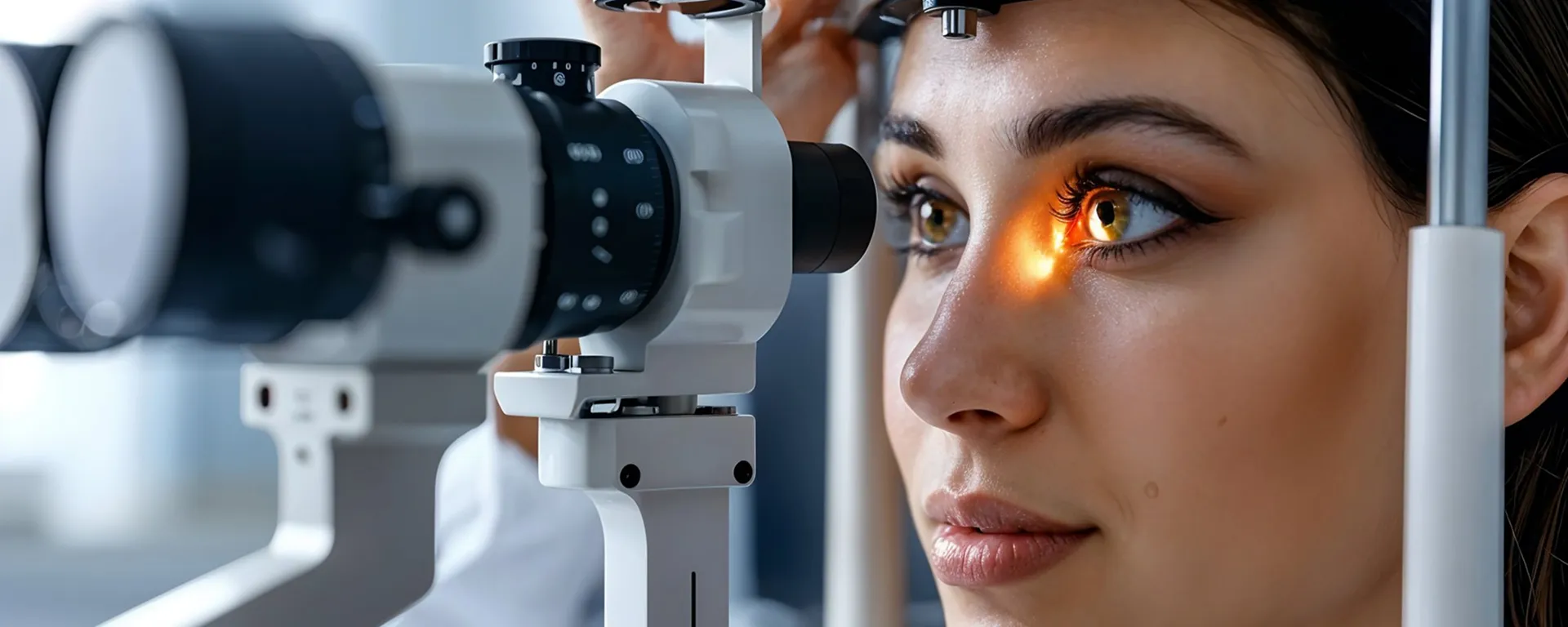
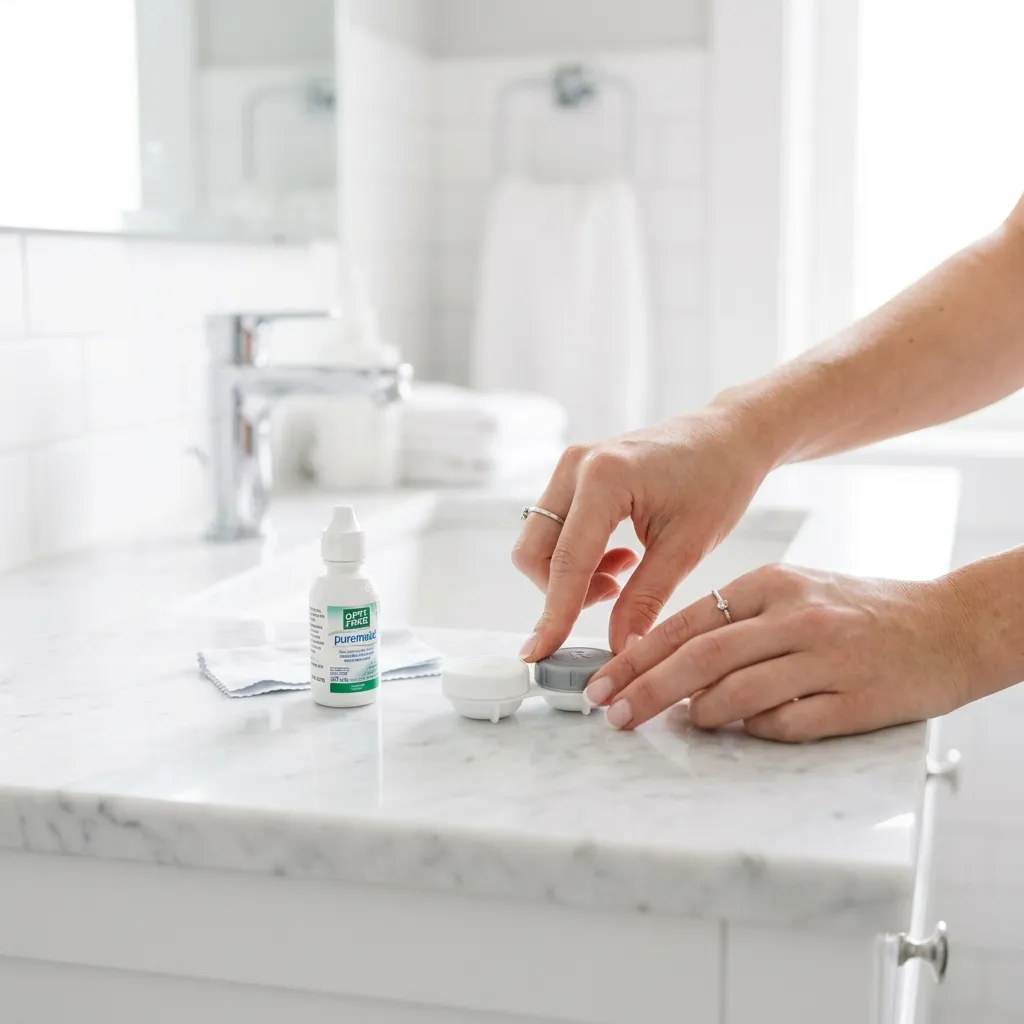
For millions of people worldwide, contact lenses offer freedom and convenience. However, in my practice in Istanbul, I often treat patients who have developed severe corneal infections due to a single "convenient" mistake. In 2026, while lens technology (like silicone hydrogel) has improved, human hygiene remains the most critical factor.
This guide acts as your definitive safety checklist to ensure your lenses remain an asset, not a liability, to your ocular health.
1. The Golden Rule: Wash Your Hands
It sounds simple, but this is the most frequently skipped step.
- The Protocol: Always wash your hands with plain soap and dry them with a lint-free towel before touching your lenses or your eyes.
- Why it Matters: Your hands carry millions of bacteria and oils that can adhere to the lens and multiply against the surface of your eye.
2. Water is the Enemy of Lenses
Many patients mistakenly believe that tap water is "clean" enough to rinse a lens or a case. This is a dangerous misconception.
- The Danger: Tap water, pool water, and even bottled water contain a microorganism called Acanthamoeba. If this enters your eye via a lens, it can cause a rare but devastating infection that can lead to permanent vision loss.
- The Solution: Never let water touch your lenses. Use only the specialized multi-purpose solution recommended by your doctor.
3. Ditch the "Topping Off" Habit
"Topping off" is when you add a little fresh solution to the old solution left in your case.
- The Risk: This dilutes the disinfecting power of the solution, turning your lens case into a breeding ground for bacteria.
- The Right Way: Discard the old solution entirely, rinse the case with fresh solution, and let it air-dry face down.
4. Respect the Replacement Schedule
Whether you wear daily disposables, bi-weeklies, or monthlies, the schedule is not a suggestion.
- Protein Buildup: Over time, proteins from your tears build up on the lens, blurring vision and causing irritation.
- Corneal Hypoxia: Older, overworn lenses lose their oxygen permeability, literally "suffocating" your corneal cells.
5. The "Sleeping in Contacts" Debate
Unless you have been prescribed specific "extended wear" lenses, you should never sleep in your contacts.
- The Impact: Sleeping in lenses increases your risk of a corneal ulcer by 6 to 8 times. Your eyes need to "breathe" while you sleep.
6. Makeup and Beauty Protocols
For our patients who use cosmetic products, the order of operations matters:
- Insertion: Put your lenses in before applying makeup.
- Removal: Take your lenses out before removing makeup.
- Tip: Avoid oil-based removers near the eyes, as they can permanently "cloud" your lenses.
7. Know the Warning Signs
If you experience any of the following, remove your lenses immediately and call us:
- Sudden Redness (The eye looks "angry").
- Persistent Pain or a feeling that something is stuck.
- Sudden Blurred Vision.
- Light Sensitivity.
Conclusion: Responsibility Leads to Freedom
Contact lenses are a medical device, not a cosmetic accessory. By following this 2026 hygiene checklist, you can navigate clear vision without the risk of long-term damage.
Are your contact lenses causing irritation? You might be a candidate for Laser Eye Surgery, which eliminates the need for lenses altogether. Schedule a consultation with Op. Dr. Zafer Söyük in Beylikdüzü today.