
We often hear that "you are what you eat," but in the world of ophthalmology, the phrase is more precise: "you see what you eat." In 2026, nutritional science has definitively linked dietary habits to the prevention of Age-Related Macular Degeneration (AMD), cataracts, and dry eye syndrome.
As an eye surgeon in Istanbul, I often tell my patients that surgery and technology are only half the battle. A truly high-performance visual system requires the right biological fuel. This guide highlights the 5 essential superfoods your eyes need right now.
1. Leafy Greens: Lutein Powerhouses
Kale, spinach, and collard greens are more than just health trends; they are vital for retinal health.
- The Science: These greens are packed with lutein and zeaxanthin. These "macular pigments" act like internal sunglasses, filtering out harmful high-energy blue light and protecting the delicate cells in your macula.
- How to eat them: Aim for at least one serving of cooked leafy greens every day. Cooking these vegetables actually makes the lutein more "bioavailable" (easier for your body to absorb).
2. Cold-Water Fish: Omega-3 for Dry Eye Relief
If you live in a windy or dry city like Istanbul, your tear film is constantly under stress.
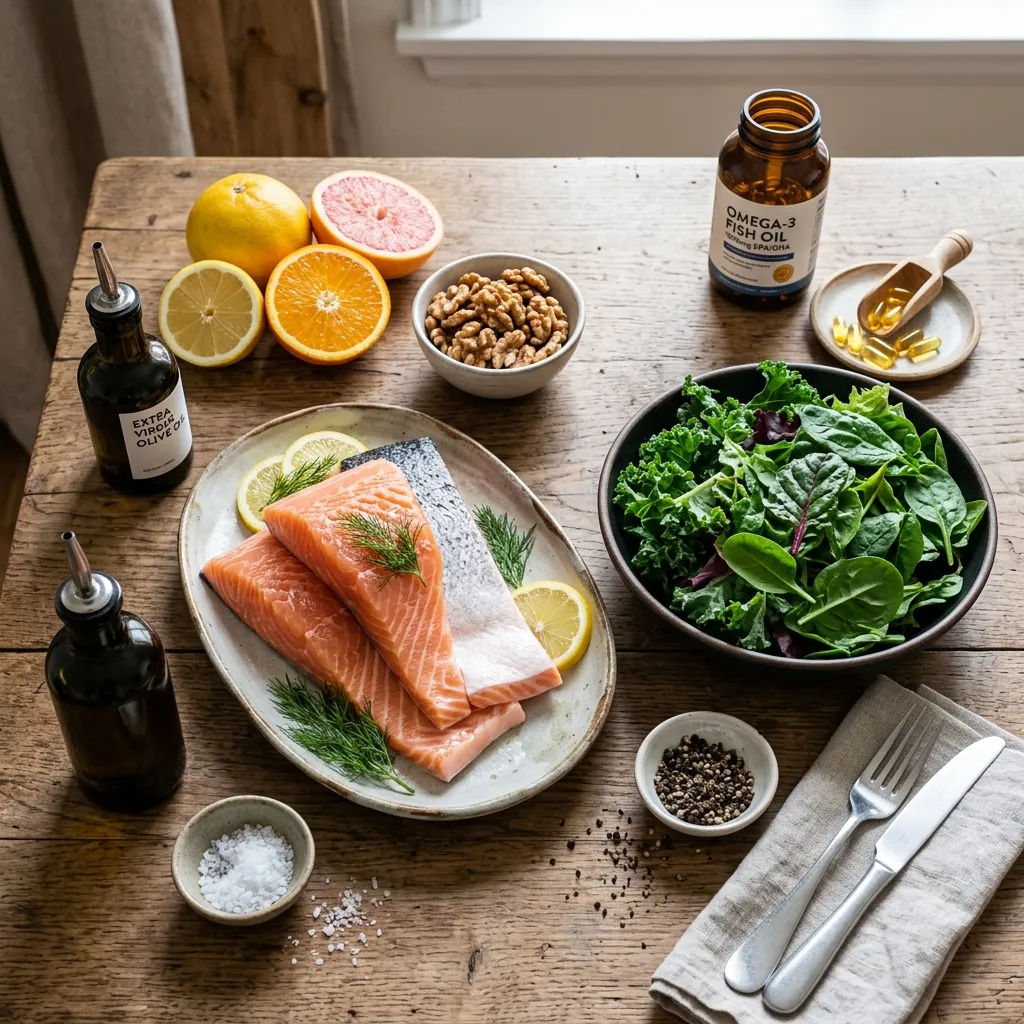
- The Science: Salmon, mackerel, and sardines are rich in Omega-3 fatty acids. These essential fats support the "lipid layer" of your tears, preventing them from evaporating too quickly and causing dry, scratchy eyes.
- The AREDS Connection: Massive clinical trials (like AREDS and AREDS2) have shown that high-quality fats are a foundation for long-term vision protection.
3. Citrus Fruits: The Vitamin C Shield
Oranges, lemons, and grapefruits are essential for the health of your eye's blood vessels.
- The Science: Vitamin C is a powerful antioxidant that helps maintain the health of connective tissues, including the collagen found in your cornea and sclera. It may also help reduce the risk of developing cataracts later in life.
- Daily Goal: One large orange or a bowl of strawberries provides most of your daily Vitamin C needs.
4. Not Just Carrots: The Power of Eggs and Zinc
The myth that carrots give you "super vision" is partially true (thanks to beta-carotene), but eggs are even more beneficial in 2026.
- The Science: Egg yolks contain lutein, zeaxanthin, and zinc. Zinc is the "courier" that helps Vitamin A travel from your liver to your retina to produce melanin, a protective pigment in your eyes.
- Zinc Sources: For those who don't eat many eggs, oysters and pumpkin seeds are the next best sources of zinc.
5. Nuts and Seeds: Vitamin E for Cell Protection
Almonds, sunflower seeds, and hazelnuts are nature's tiny shields for your ocular cells.
- The Science: These foods are high in Vitamin E, which protects cells throughout the body—including those in your eyes—from damage caused by "free radicals" (unstable molecules that break down healthy tissue).
- The Snack Advantage: A handful of almonds a day is a simple, practical way to boost your long-term protective eye care.
The Mediterranean Connection in Istanbul
Living in Turkey, we are fortunate to have access to the Mediterranean diet, which is considered globally as the gold standard for eye health. By combining fresh olive oil, local fish, and seasonal vegetables, you are giving your eyes the best possible chance to stay clear and healthy for decades.
Is Diet Enough?
While a healthy diet is a powerful preventative tool, it cannot reverse existing refractive errors or cataracts. If you are already experiencing vision issues, diet acts as a complement to professional medical intervention.
Take control of your ocular health from the inside out. For a comprehensive check-up and nutritional assessment, visit Op. Dr. Zafer Söyük’s clinic in Beylikdüzü.