
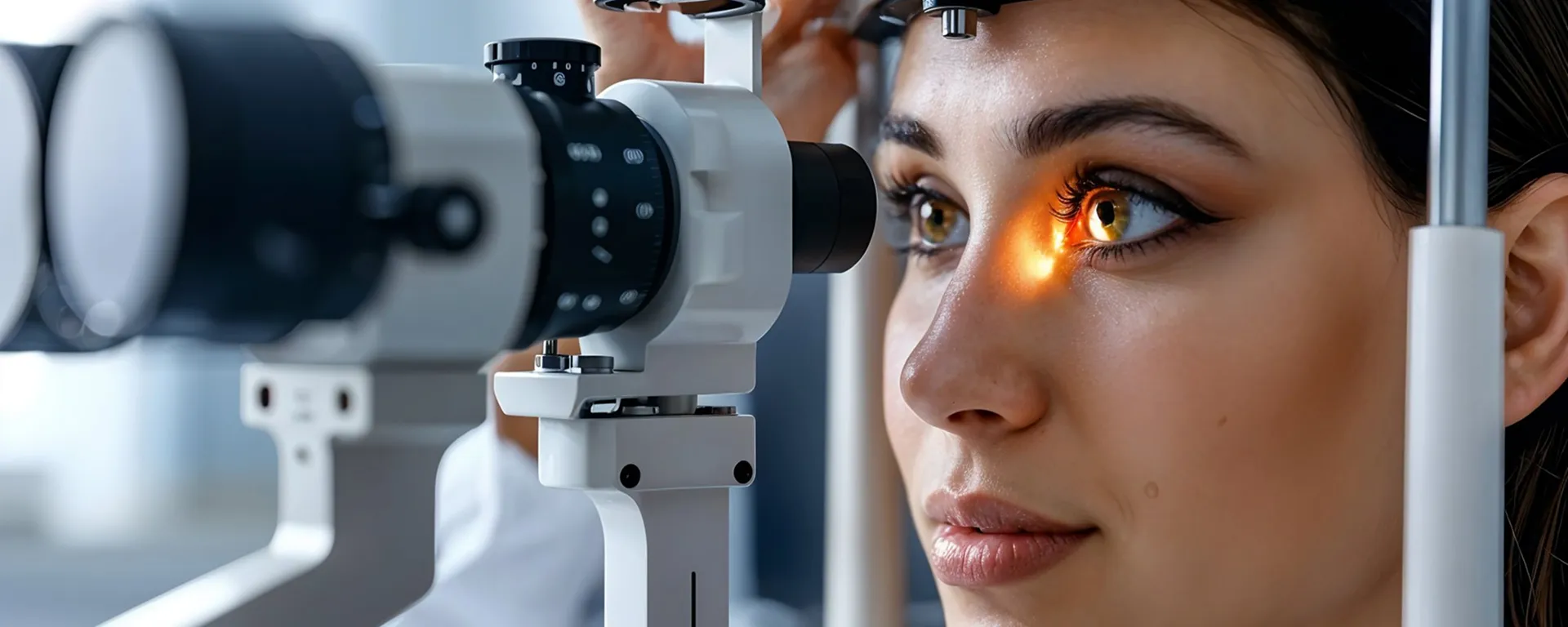
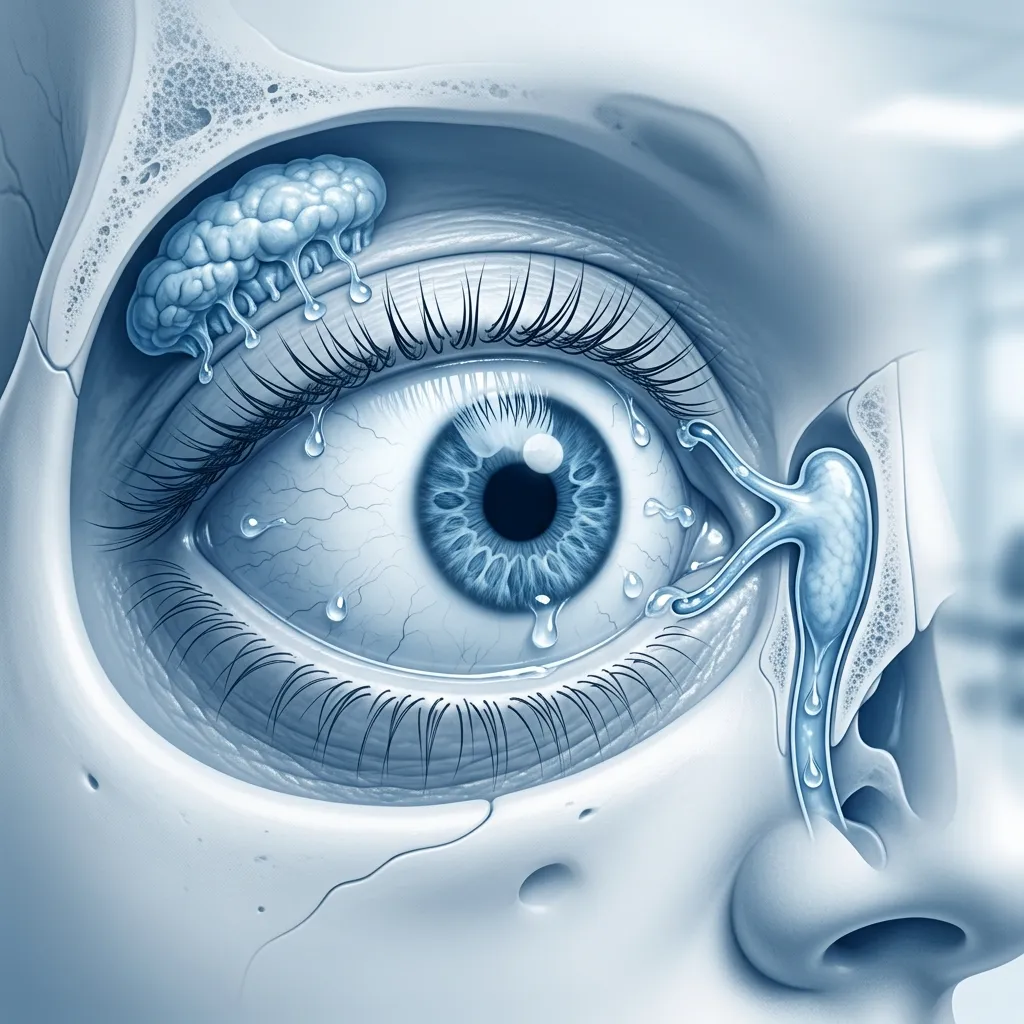
If you are over 40 and find yourself holding your smartphone at arm's length to read a message, you are experiencing presbyopia. This is a natural, age-related loss of flexibility in the eye's crystalline lens.
While reading glasses are the traditional solution, modern ophthalmology offers a permanent surgical alternative: Smart Lenses (Trifocal Intraocular Lenses).
What is Presbyopia?
Presbyopia is not a disease, but a biological aging process. The natural lens inside the eye is flexible and changes shape to focus on near objects. Over time, this lens hardens and loses its elasticity. As a result, focusing on close-up tasks (reading, texting, sewing) becomes difficult.
How Do Smart Lenses Work?
During a brief 15-minute procedure similar to cataract surgery, the hardened natural lens is removed and replaced with a high-performance Smart Lens (IOL).
Unlike standard monofocal lenses that only correct distance vision, Trifocal Smart Lenses feature multiple focal points:
- Distance Vision: For driving, watching TV, and walking.
- Intermediate Vision: For computer work, reading car dashboards, and cooking.
- Near Vision: For reading books, texting, and detailed work.
Who is a Suitable Candidate?
- Age 40-45+: Active individuals experiencing age-related near vision loss.
- Cataract Patients: Anyone undergoing cataract surgery who wants to avoid reading glasses afterward.
- High Prescriptions: Patients with hyperopia or myopia who are not candidates for laser eye surgery.
Note: Patients with active macular degeneration (yellow spot disease), advanced diabetic retinopathy, or severe glaucoma are generally not recommended for premium trifocal lenses.
What to Expect: Recovery and Success
The procedure is blade-free, performed using local numbing drops. Most patients report zero pain and return to their normal routines within 24 to 48 hours. The brain adapts to the new trifocal optical profiles over a few weeks, leading to excellent, stable visual quality.
Commonly Asked Questions (Blog FAQ)
Can smart lenses treat cataracts and presbyopia at the same time?
Yes! Replacing your natural lens with a smart lens permanently corrects presbyopia and ensures you will never develop cataracts in that eye.
Do smart lenses need to be replaced after a few years?
No. Smart lenses are made from biocompatible materials designed to remain in the eye permanently without degrading or losing optical clarity.