
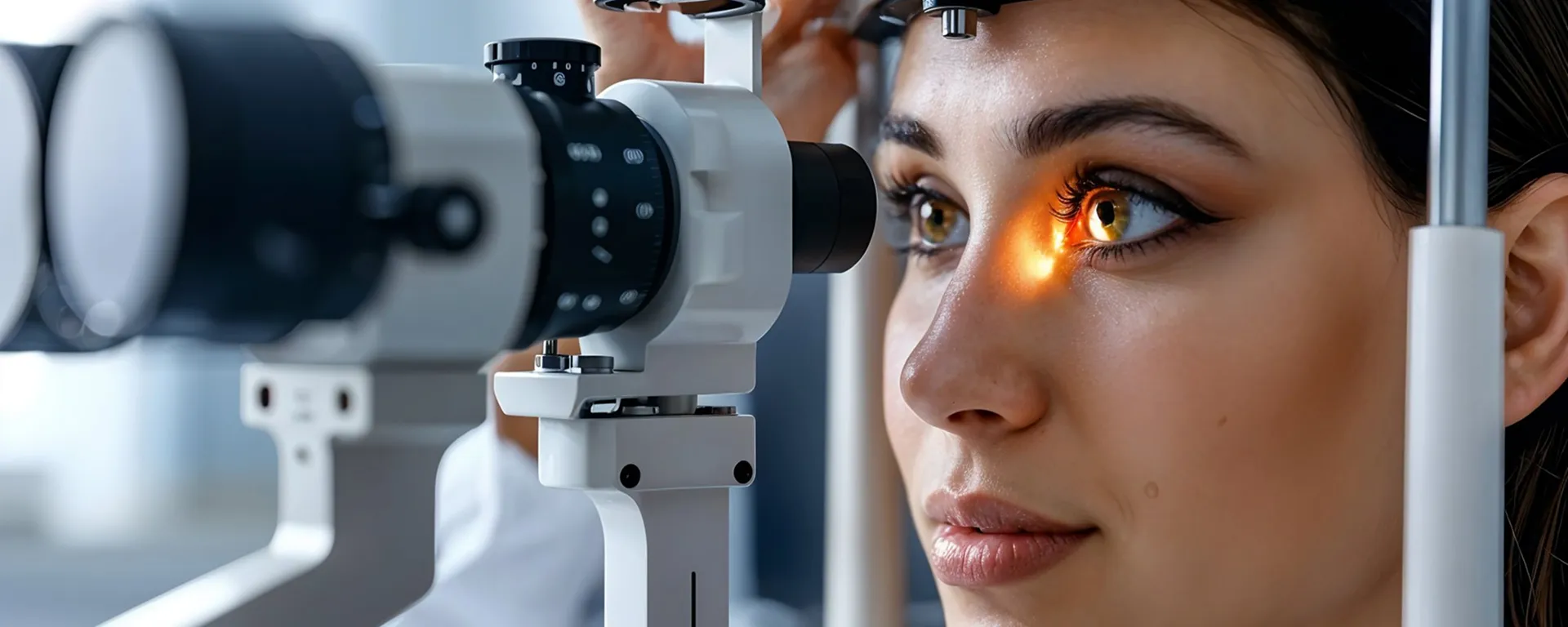
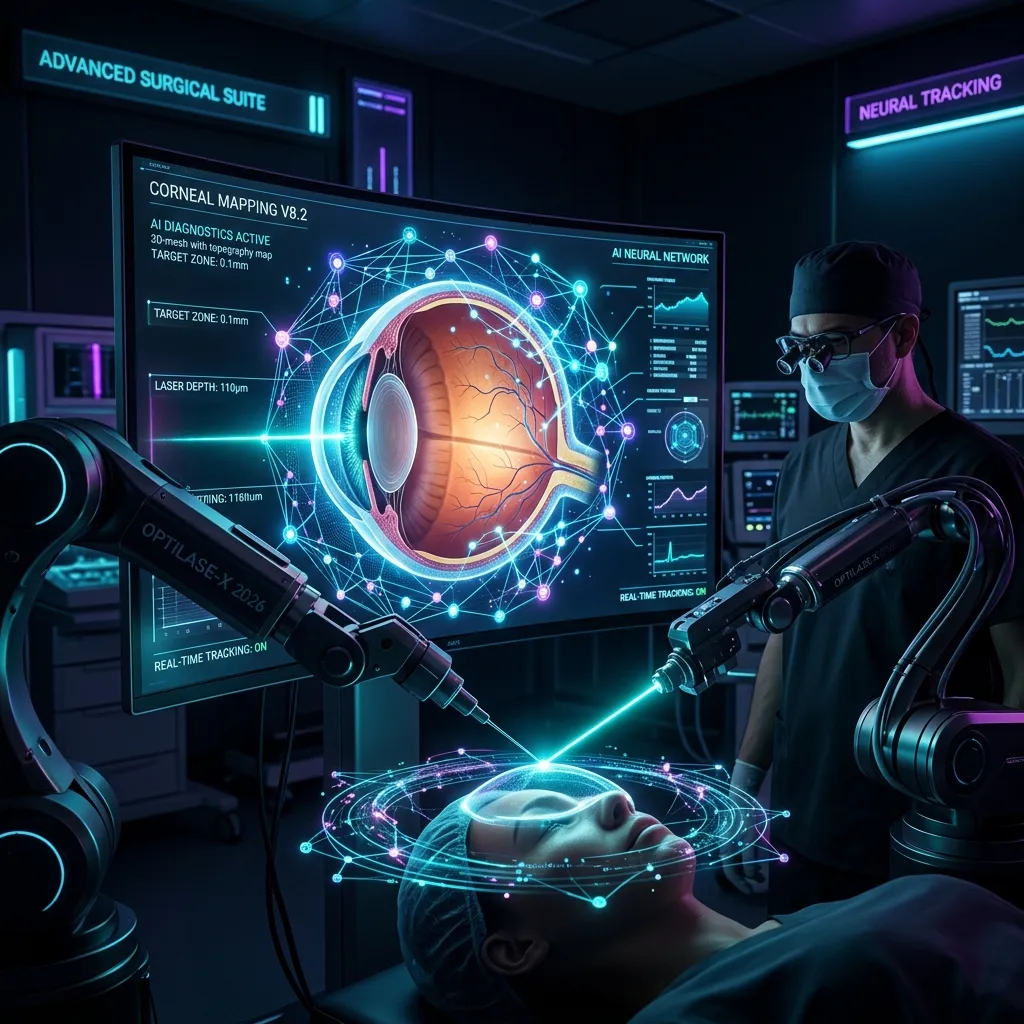
The field of ophthalmology is in the midst of a technological renaissance. In 2026, surgical outcomes are no longer measured by simply "getting rid of glasses," but by achieving a level of visual performance that was once thought impossible. Global medical hubs are now integrating digital and robotic breakthroughs into standardized clinical practice to push the boundaries of ocular science.
The Rise of AI-Driven Eye Diagnostics
The most transformative shift in 2026 is the role of Artificial Intelligence (AI) in the pre-operative phase. Modern diagnostic suites now function via "digital twin" systems, allowing for a precision of planning that was previously unattainable.
How AI Simulation Safeguards the Eye
Before a single laser pulse is fired, AI algorithms analyze millions of data points from a patient's unique ocular anatomy to simulate how the corneal tissue will react post-operatively. This "predictive analysis" helps surgeons prevent complications and select the exact laser frequency that matches the specific tissue density. Research in the Journal of Refractive Surgery supports that AI-enhanced planning significantly reduces "night halos" and improves contrast sensitivity.
SMILE Pro: The Evolution of Refractive Surgery
While LASIK remains a widely used procedure, SMILE Pro (Small Incision Lenticule Extraction) has become the 2026 gold standard for individuals with active lifestyles.
Why SMILE Pro is Superior for 2026:
- Minimal Incision: The laser creates a microscopic tunnel (typically less than 4mm) rather than a large corneal flap.
- Structural Integrity: With high preservation of the corneal surface, the eye maintains more of its natural strength and is less prone to chronic dry eye symptoms.
- Recovery Speed: Patients in high-volume surgical centers are typically returning to sports, swimming, and heavy physical activity within 48 to 72 hours.
Smart Lenses (IOL): Correcting More Than Just Vision
For patients over 45, or those diagnosed with cataracts, Intraocular Lens (IOL) technology has reached a pinnacle. The latest generation of smart lenses (including trifocal and EDoF designs) from global leaders like Zeiss and Alcon are designed to mimic the natural accommodation behavior of a young eye.
| Feature | Standard Lenses 2020 | 2026 Smart Lenses (IOL) |
|---|---|---|
| Focus Range | Single Distance (Far) | Seamless (Near, Mid, Far) |
| Night Vision | Heavy Glare/Halos | Advanced Glare Filtering |
| UV Protection | Basic | Integrated Retinal Shielding |
Robotic Cataract Surgery
Cataract surgery in 2026 has shifted into a highly automated, robotic endeavor. By using femtosecond lasers to perform the most delicate and critical steps of the procedure, surgeons can achieve a level of precision that exceeds manual capabilities. This "robotic precision" ensures that the intraocular lens is centered perfectly, which is essential for achieving 20/20 vision and minimizing post-operative adjustments.
The Future: Gene Therapy and Retina Regeneration
Looking beyond 2026, researchers are tracking significant developments in retina regeneration and gene therapy for conditions like macular degeneration. While currently in various stages of clinical trials at world-class institutions like the Johns Hopkins Wilmer Eye Institute, the international medical community expects these innovations to become available as they meet rigorous global safety standards.
Conclusion: Investing in Your Vision 4.0
In 2026, vision is perhaps the most valuable asset in an increasingly digital world. Staying informed about clinics that prioritize the integration of AI, robotic lasers, and high-performance lenses is an essential step for anyone looking to invest in their long-term quality of life.
Educational resources and clinical studies continue to prove that the intersection of technology and expert care is the future of human sight.